Ethernet Switch FAQ's
How Does An Ethernet Switch Work?
When considering how Ethernet switches work, it’s important to understand their fundamental role in a network. An Ethernet switch functions by receiving data packets from one connected device and then forwarding them to the specific destination device within the network. This targeted delivery is achieved by examining the destination MAC address of each incoming packet, ensuring that data is sent efficiently to where it needs to go, rather than broadcasting it to all devices.
This method of operation is far more efficient than older networking technologies, as it reduces unnecessary network traffic and improves overall performance. The switch maintains a table of MAC addresses and their corresponding ports, allowing it to intelligently direct traffic. This intelligent forwarding is key to connectivity within modern networks.
Therefore, at the core of how Ethernet switches work is their ability to create dedicated connections between devices, enabling seamless and fast communication throughout the network without contention. This makes them indispensable components in both small and large-scale networking infrastructures, optimising data flow and enhancing network reliability.
- Rugged aluminium housing
- Wide 9-30 VDC input voltage
- Five Gigabit Ethernet ports with PoE+
- Operating range -40 to +75 6C
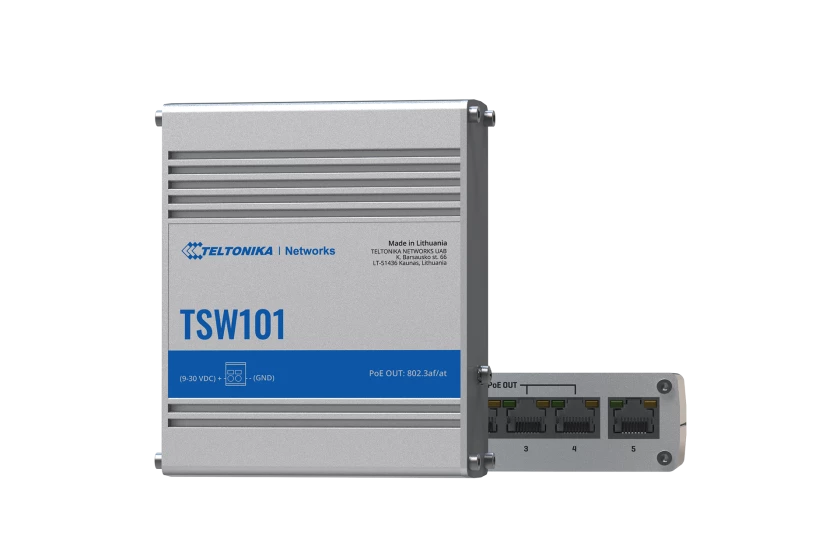
- Five 10/100/1000 Mbps Ethernet ports
- IP30 sealed aluminium housing
- Wide 9-30 VDC power input
- Meets MIL-STD and IEC EMI standards
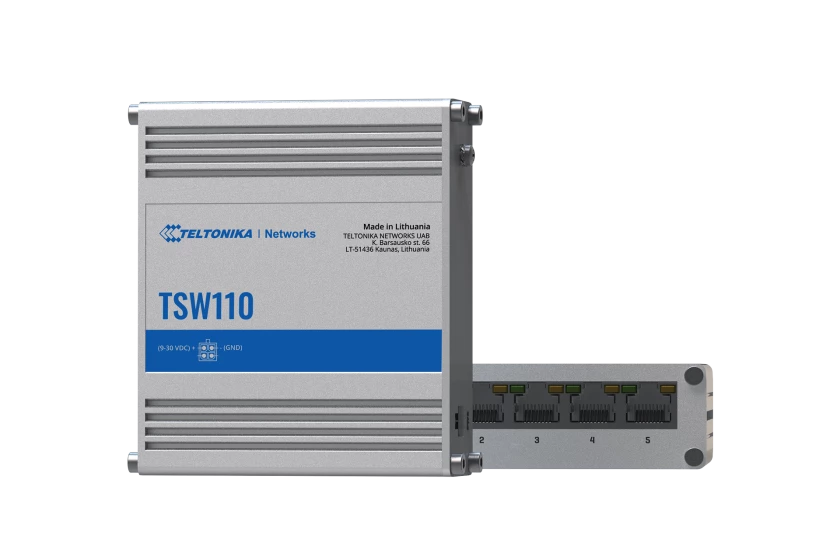
- Five gigabit Ethernet ports
- Integrated DIN rail mounting
- IP30 dust protection
- Wide operating temperature range -40 °C to 75 °C
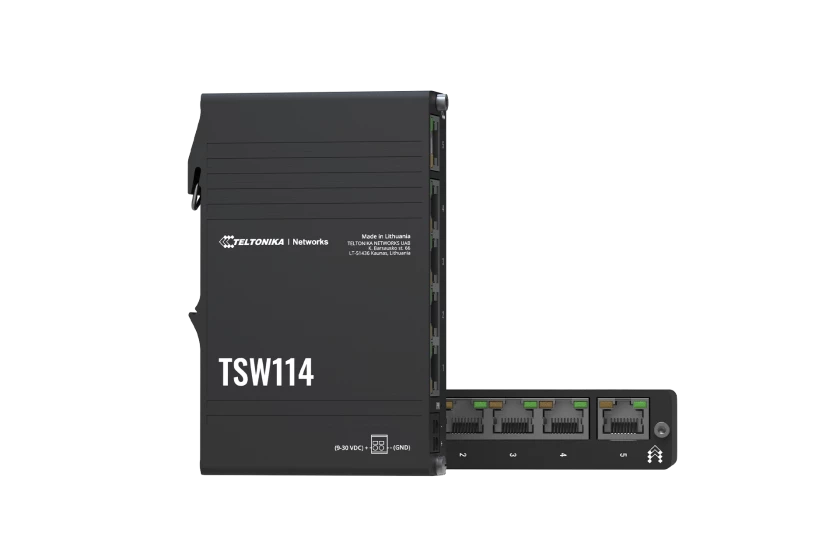
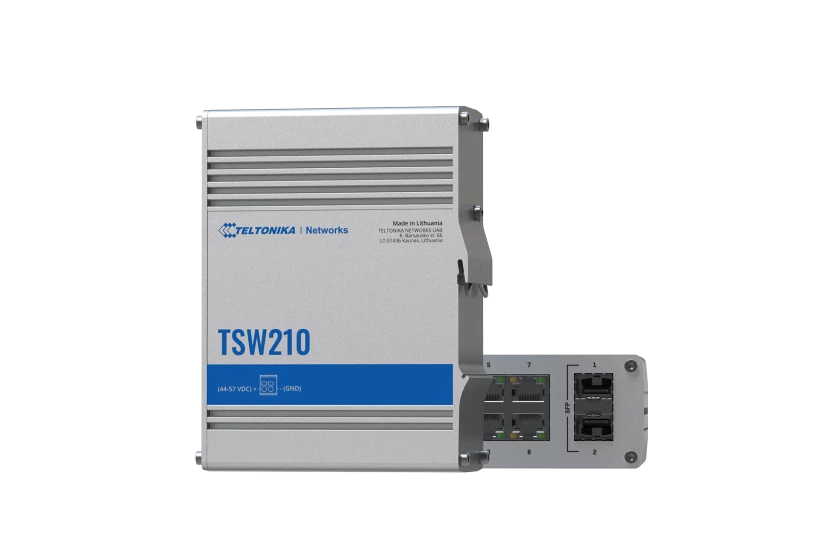
- 8 Gigabit PoE+ ports with 30W power
- 2 SFP fibre ports for extended range
- IP30 sealed aluminium housing
- Wide operating temperature -40°C to 75°C
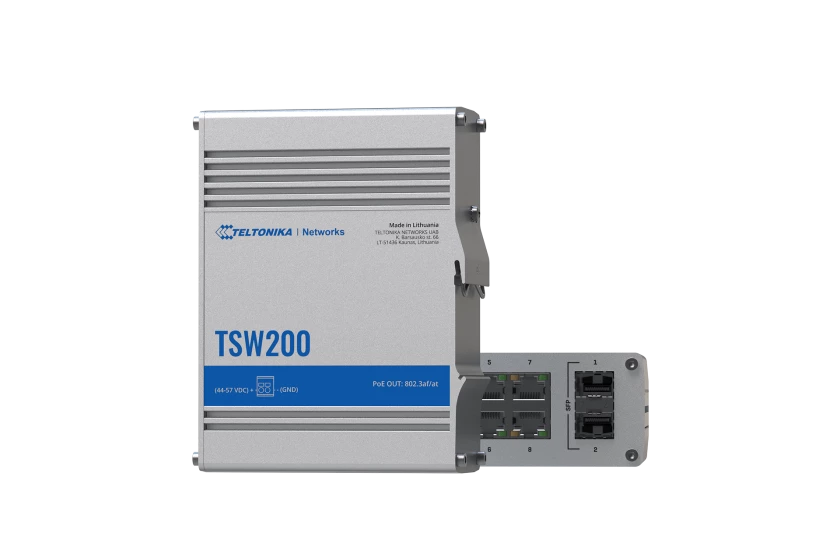
- 8 reinforced Gigabit Ethernet PoE+ ports
- 2 SFP fibre ports for extended reach
- IP30 dust-sealed anodized aluminium housing
- Supports EtherNet/IP and PROFINET protocols
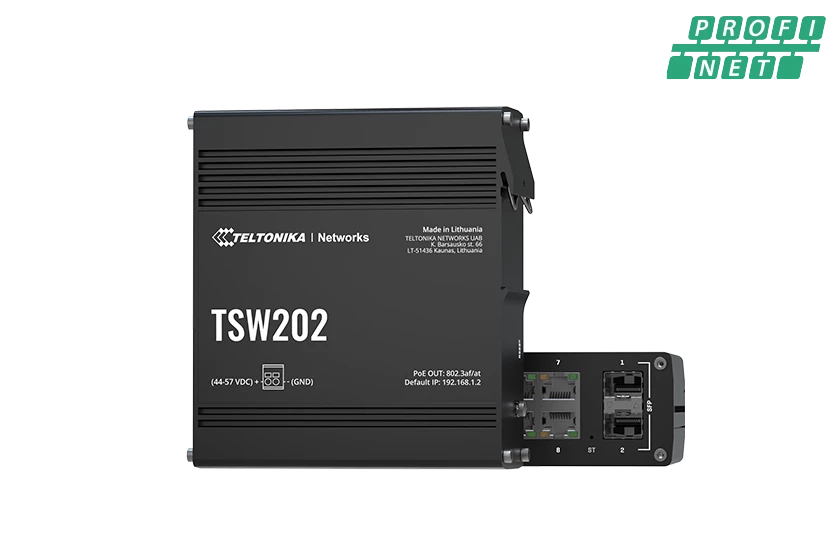
- Eight 10/100/1000 Mbps Ethernet ports
- Two SFP fibre ports for flexible connectivity
- Wide operating temperature range -40 °C to 75 °C
- Full aluminium housing with IP30 ingress protection
Can’t find what you’re looking for?
If your question is not covered here, or if you would like further technical guidance, our team is on hand to help. We can assist with product selection, deployment planning, compatibility queries, and best-practice advice to ensure your product is the right fit for your environment.