









At a glance
- “Vandal proof” has no defined standard. Specify IK rating, IP rating and steel grade.
- IK07 is 2 joules, IK08 is 5 joules, IK09 is 10 joules and IK10 is 20 joules of impact energy.
- 316 stainless contains molybdenum and resists chlorides, such as salt and some cleaning agents, better than 304.
- Mounting is part of vandal resistance, because a keyboard can be defeated at its fixing.
When do you need a stainless steel keyboard?
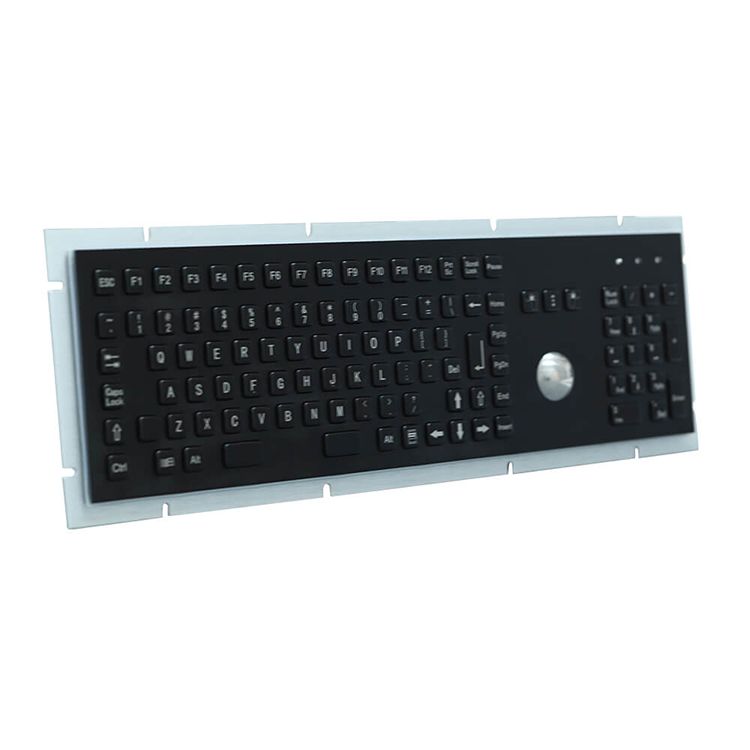
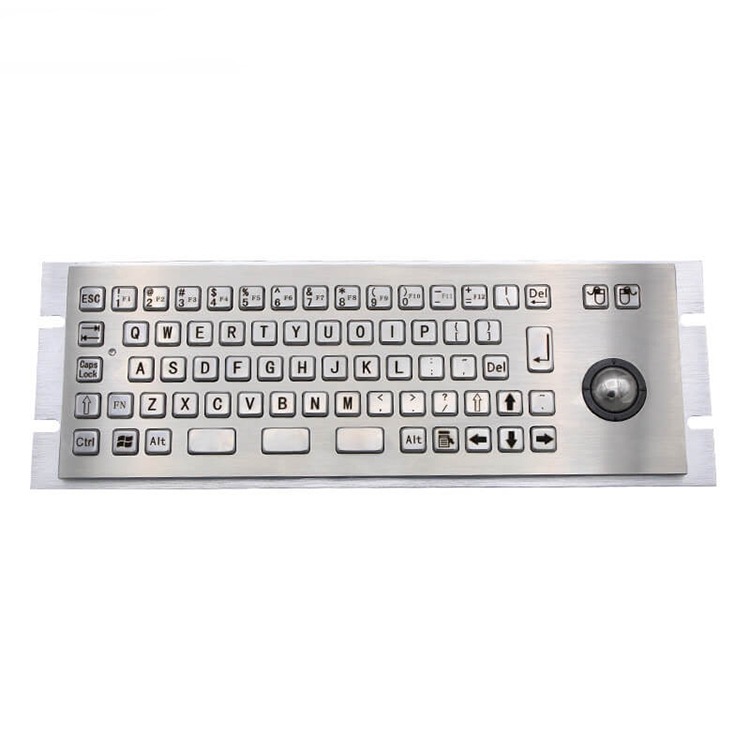
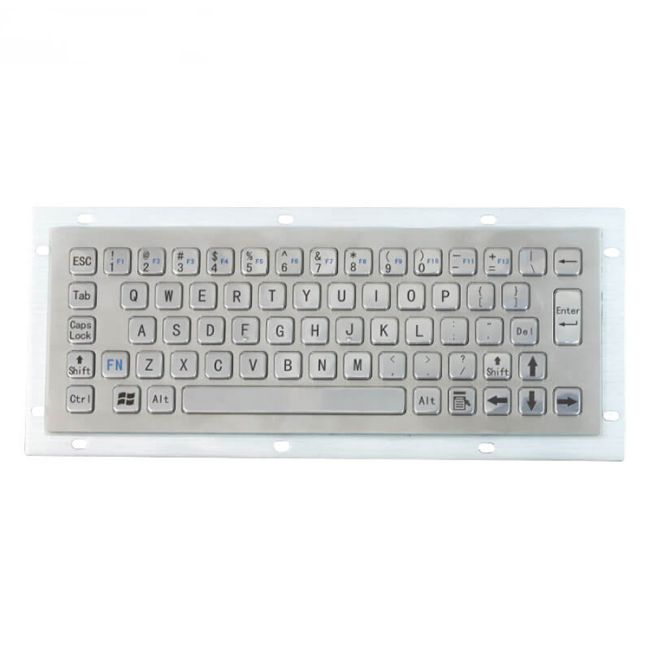
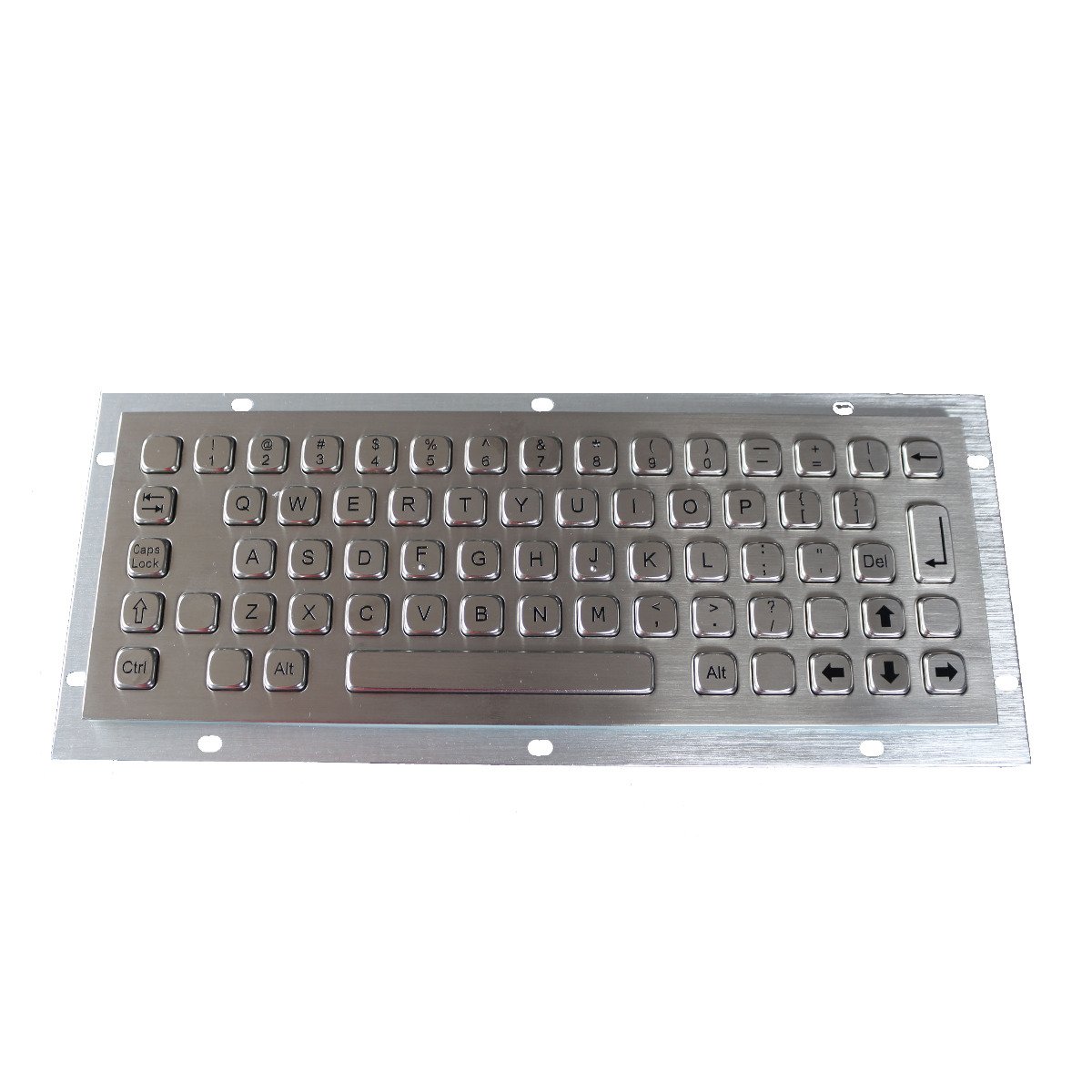
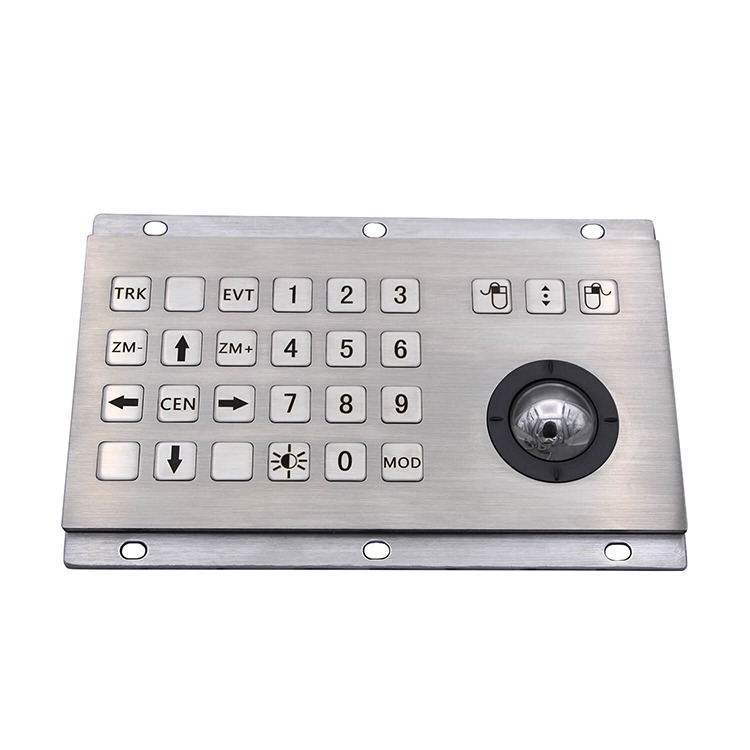
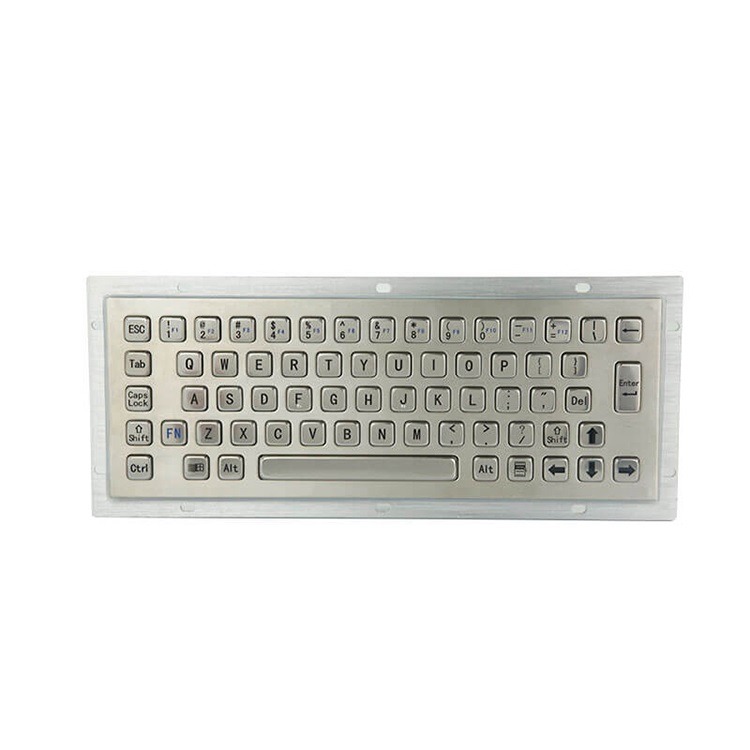
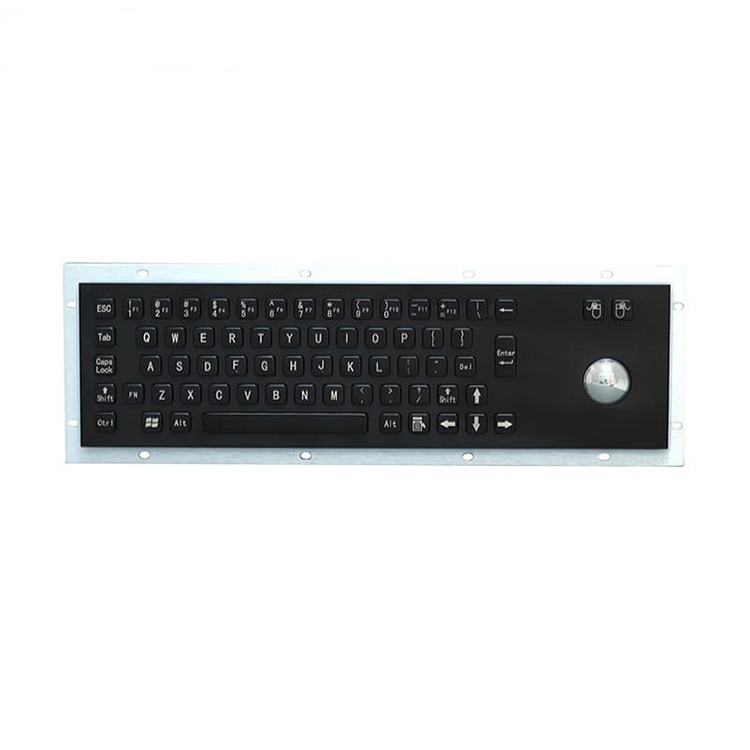
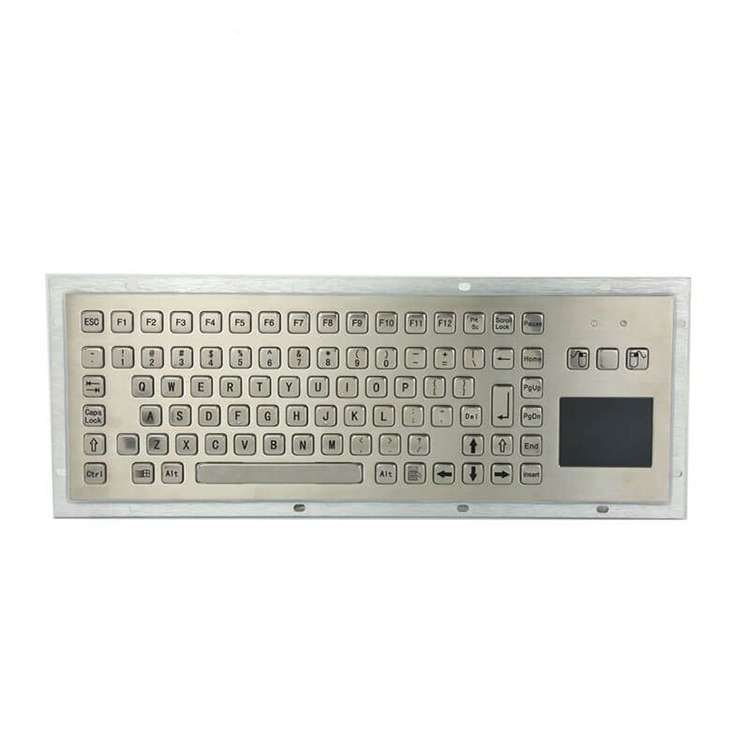
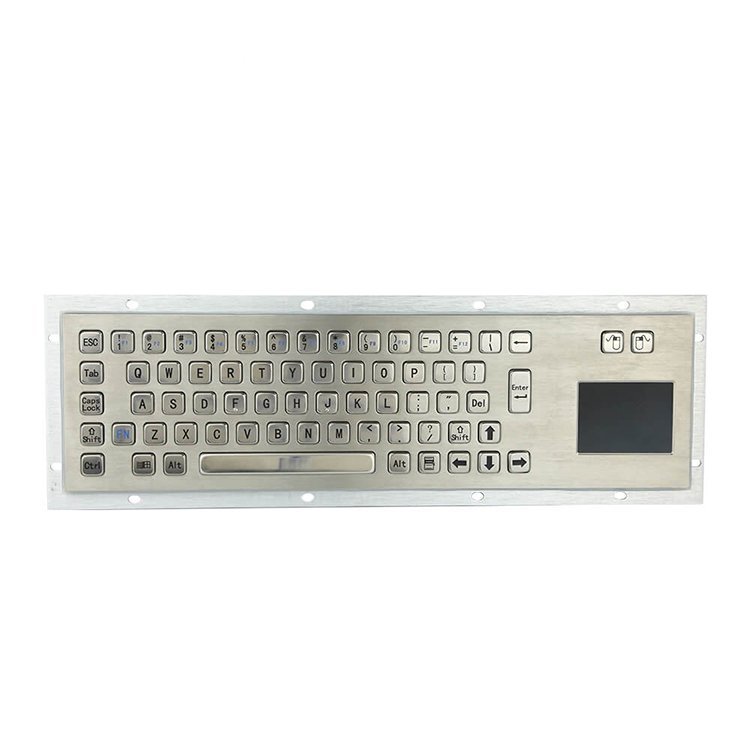
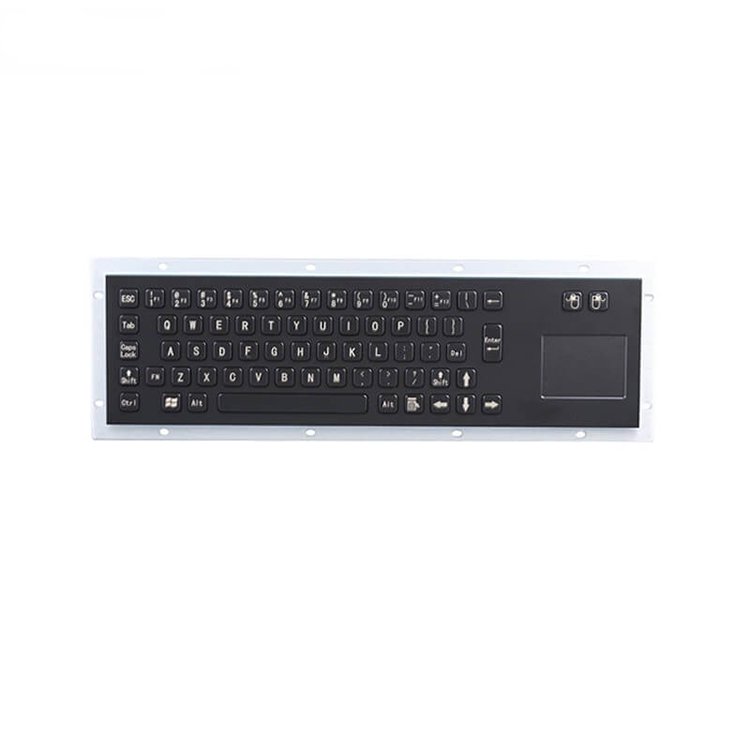
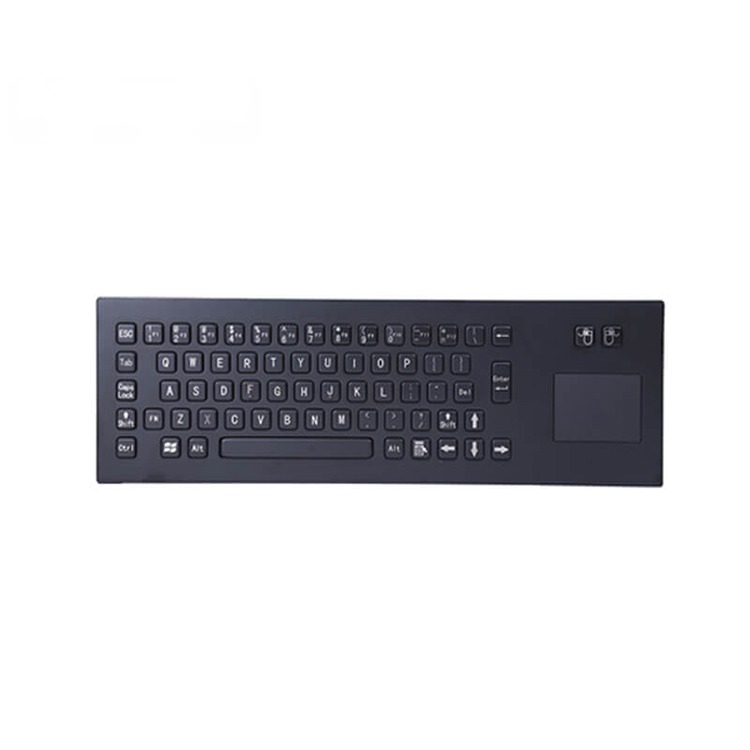
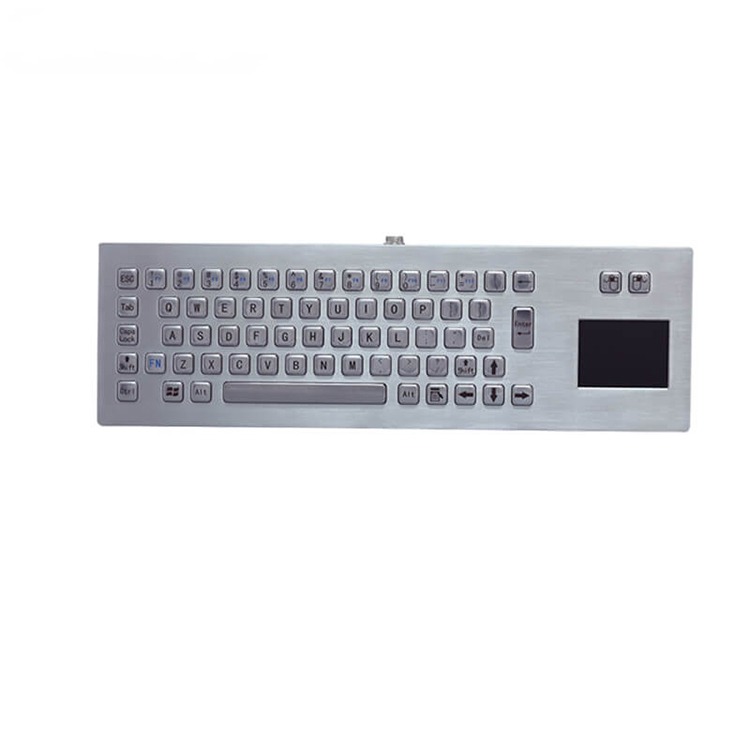
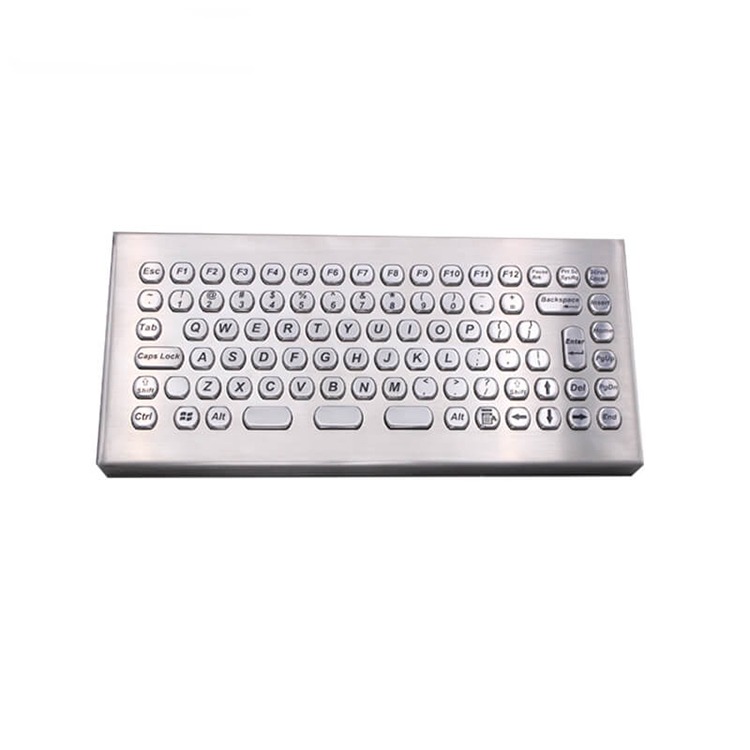
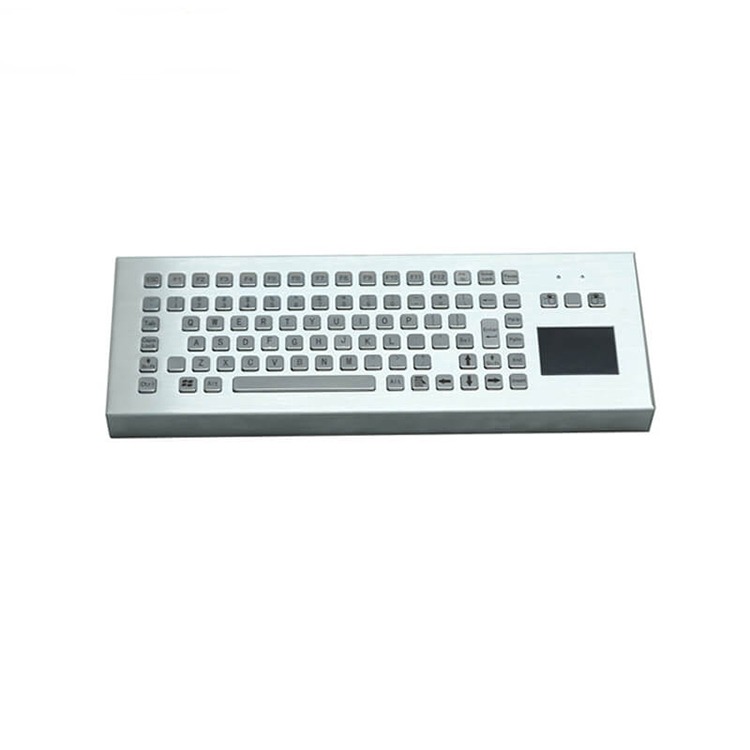
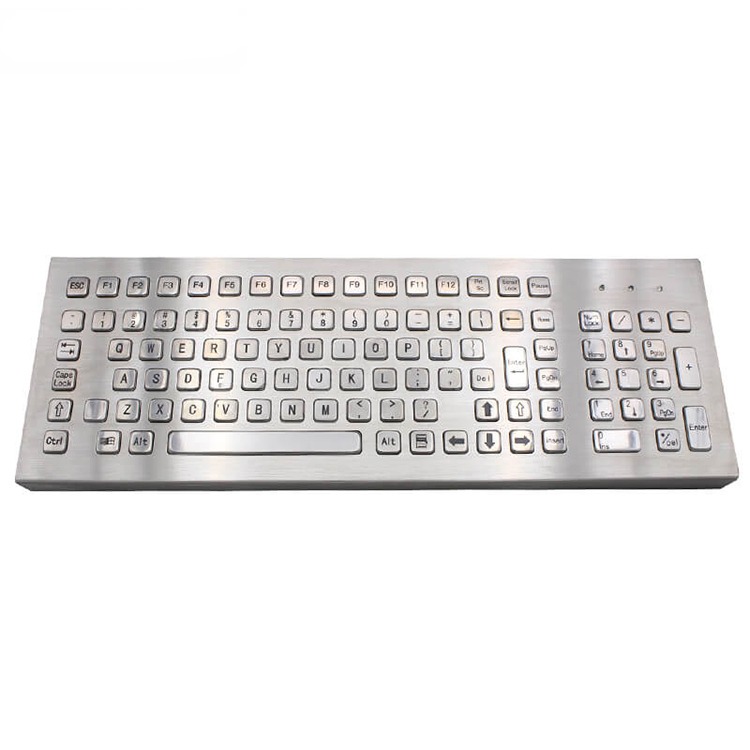
Stainless steel suits places where a keyboard faces impact, tampering, corrosion or frequent aggressive cleaning: public kiosks and ticket machines, outdoor terminals, food processing, pharmaceutical and marine settings. The products on this page show stainless steel keyboards and keypads. Ask us for other layouts or formats.
What do the IK ratings mean?
The IK code describes resistance to mechanical impact. It is separate from the IP code. Each step is a test impact energy.
| Rating | Impact energy |
|---|---|
| IK06 | 1 joule |
| IK07 | 2 joules |
| IK08 | 5 joules |
| IK09 | 10 joules |
| IK10 | 20 joules |
A further rating, IK11, at 50 joules, was added by an amendment in 2021. Some publishers wrongly describe IK10 in kilograms. It is an energy rating. See the IK ratings guide.
What is the difference between 304 and 316 stainless?
| Grade | Notable feature | Typical fit |
|---|---|---|
| 304 | General-purpose austenitic stainless | Indoor kiosks, dry and food areas |
| 316 | Contains molybdenum, better against chlorides | Coastal, marine, chemical and salt-exposed use |
Stainless is corrosion resistant, not corrosion proof. Surface finish, welds and contact with chlorides or strong acids all affect performance. Ask the supplier for the grade by name, and the finish, rather than the general word “stainless”.
What else makes a keyboard vandal resistant?
- Fixing method. A hidden rear fixing is harder to tamper with than visible screws. See panel mount keyboards.
- Key design. Metal keys with little travel, flush with the face, give few edges to pry.
- Cable and connector. Protect them behind the panel.
- Sealing. Dust and liquid ingress is still a failure mode.
- Case thickness. Ask for it.
Compare these on a datasheet rather than relying on a label.
Does stainless steel mean easy to clean?
A smooth metal face with sealed keys is easy to wipe and tolerates cleaning agents that would mark many plastics. It still needs the right method. Chlorine-based cleaners and long contact with salt water can pit some grades, and abrasive pads scratch the finish, which gives soil a place to hold. Follow the maker’s cleaning guidance, rinse chemicals off the surface, and ask whether the legends are etched, laser-marked or printed, since that decides how well they survive repeated cleaning.
Where do stainless steel keyboards fit among the other types?
Stainless is a material choice, not a separate class of protection. A stainless keyboard can also be a panel mount unit, a washdown unit or a public-access terminal keyboard. If your main need is sealing and not impact or corrosion, a sealed industrial keyboard in a polymer case may cost less. If you need protection for an explosive atmosphere, the metal case does not provide it, and only certified hazardous-area equipment is suitable.
What to check on the datasheet
| Item | Look for |
|---|---|
| IK rating | The number and test conditions |
| IP rating | For the whole unit as mounted |
| Steel grade | 304 or 316, and the finish |
| Operating temperature | For outdoor or cold use |
| Key travel and life | Stated figures and test method |
| Fixing | Front or rear, tamper features |
| Interface and layout | USB, PS/2 or serial |
How to choose
- Decide who or what you are protecting against: casual misuse, deliberate attack, weather or corrosion.
- Choose an IK rating that matches. Do not over-specify, because cost rises.
- Choose the steel grade for chlorides and cleaning agents.
- Define the IP rating and washdown method.
- Choose the mounting and where the cable runs.
- Confirm layout, key count and legend method.
For sector detail see kiosks and public access and food and beverage.
Related guides and ranges
- IK ratings and vandal resistance for keyboards
- IP ratings for keyboards and mice explained
- Keyboards and trackballs for kiosks and public access terminals
- Keyboards and pointing devices for food and beverage processing
- Panel mount keyboards
Frequently asked questions
What does IK10 mean?
IK10 is the highest rating in the common IK scale for enclosures and corresponds to a test impact energy of 20 joules. The rating applies to the tested sample under the test conditions of the standard. It is separate from IP ratings, which cover water and dust.
Is "vandal proof" a standard?
No. The phrase has no defined standard or test. To describe resistance to attack, ask for the IK impact rating, the IP rating, the steel grade and thickness, and the method of fixing.
What is the difference between 304 and 316 stainless steel?
Both are austenitic stainless steels. Grade 316 contains molybdenum, which improves resistance to chlorides, so it is preferred near salt, in marine settings and with some chlorine-based cleaners. Grade 304 is common and suits many indoor and food areas.
Are stainless steel keyboards waterproof?
Not necessarily. A metal case does not tell you the ingress rating. Check the IP rating of the whole unit, including the keys, panel seal and cable entry, and use the rating that suits your washing method.
Do stainless steel keyboards suit food areas?
They are often chosen for smooth, cleanable surfaces. Check the IP rating for your washdown method and the steel grade for your chemicals. HACCP is a food safety management system, not a product certification, so no keyboard is HACCP certified.